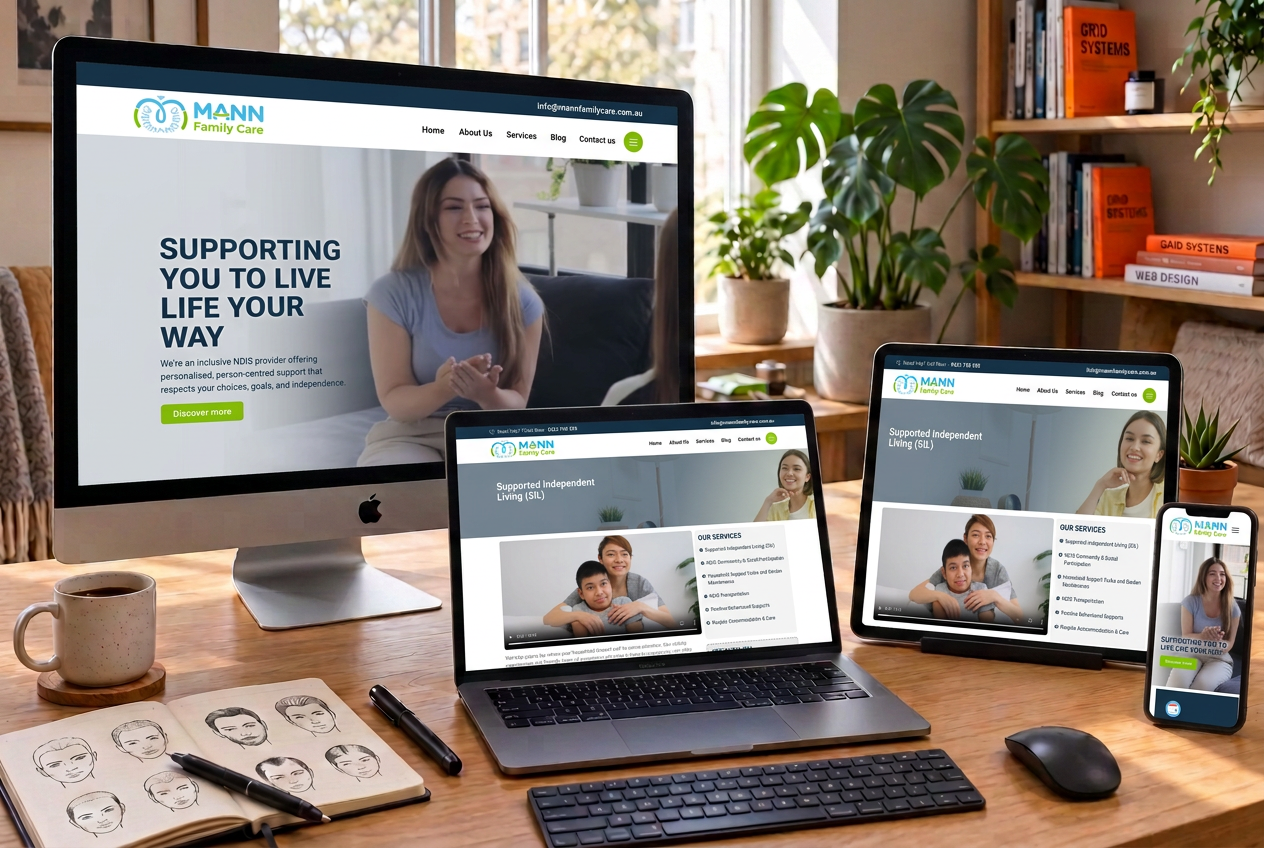
Explain the support before asking for an enquiry
Participants, families and coordinators need to establish whether a provider is a suitable fit. A page should describe the actual support offered, who it is intended for and where it is available. Separate NDIS support from Home Care services when eligibility, funding or intake processes differ. Do not make the visitor interpret a long list of services without explaining the next step.
Use the provider’s approved information about delivery, accessibility and communication options. State registration or qualification details only when they are current and verified. Broad promises about independence or outcomes are not a substitute for a precise explanation of what the team can provide.
Make local coverage and availability useful
For an Adelaide provider, coverage might be organised by genuine service areas rather than dozens of near-identical suburb pages. Explain where support is delivered and how someone can check availability. If the organisation serves several regions, connect each real location to relevant contact and service information.
A local page earns its place through distinct information: the supports available there, the team or contact pathway, and practical delivery details. Copying the same paragraph and replacing a suburb name does not answer a new question. Avoid publishing participant details or photographs without appropriate permission.
Make the first conversation low pressure
Tell the visitor whether the next step is a phone conversation, an intake review or a request for more information. A form submission should not imply that support has been accepted or funded. Offer accessible contact alternatives and collect only information needed for the initial enquiry; sensitive support details may need a more appropriate channel.
Describe the actual response process without inventing a turnaround time. Assign an intake owner, record the source and make sure unanswered requests are visible to the team. Automation can acknowledge receipt and route a request, but questions about suitability and individual support need the appropriate human conversation.
Use experience as evidence, not a forecast
The published Mann Family Care project describes local SEO, service-specific landing pages, Google Business Profile improvements, paid campaigns and enquiry tracking. Its reported 275% increase in qualified leads belongs to that combined programme. It does not show that a new landing page alone will produce the same result.
Measure suitable enquiries, intake conversations and service agreements separately. Agree the definitions with the provider and record where data is incomplete. Review service pages when availability, coverage or intake arrangements change—not merely to display a recent date. For agreement and pricing questions, link to current official guidance rather than copying limits that may become outdated.
Sources and further reading
General marketing guidance, not legal, funding or clinical advice. Provider-specific information and regulated claims need approval from the responsible business.