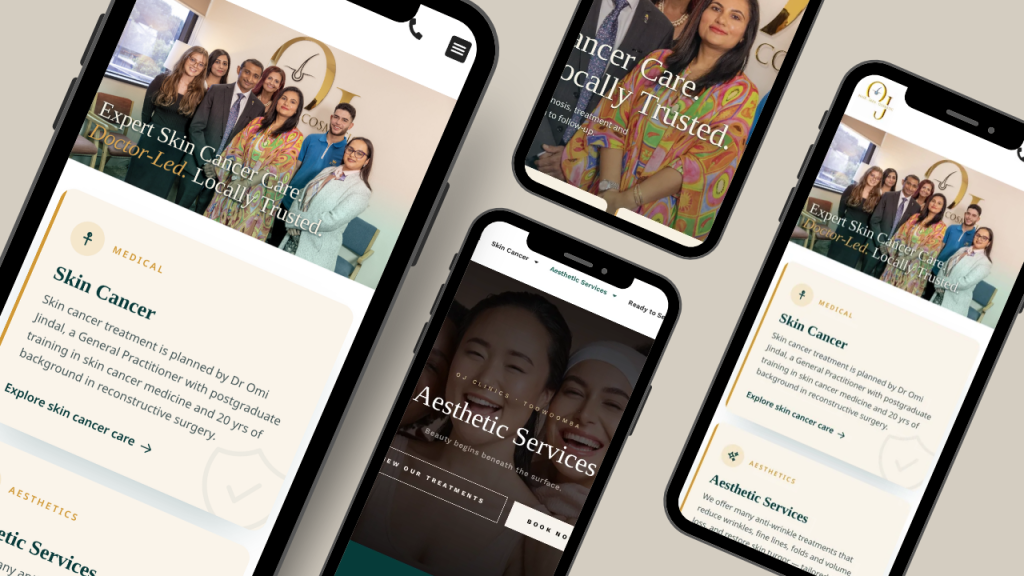
Match the patient’s question to the page
A person searching for a skin check needs different information from someone researching a cosmetic consultation. Match the advertising and search page to the actual service. State the clinic location, appointment pathway and verified practitioner information. Make the phone and booking options visible without requiring visitors to read every section.
Use clinic-approved educational information, not unsupported treatment promises. Practical details such as appointment types, preparation, fees and cancellation arrangements should reflect the clinic’s current policy. Healthcare advertising and testimonials may be restricted; the responsible clinic and its qualified advisers should review the relevant material before publication.
Distinguish a request from a confirmed appointment
If the website sends an enquiry to reception, say that it is a request. If a booking tool confirms an available appointment, the confirmation should show the correct next step. A thank-you screen is not evidence that an appointment was booked, and an ad-platform conversion may simply mean that a form was submitted.
Test the complete journey on a phone: open the landing page, choose an appointment route, submit the information and check that the intended team receives it. Confirm that error messages, duplicate submissions and unavailable times have an understandable resolution. Test these paths again when forms or booking systems change.
Give reception an actionable hand-off
Agree who handles new enquiries, what information they need and what happens outside reception hours. Record the requested service and contact permission where appropriate. Do not ask for a detailed medical history in a general marketing form simply because more data could be collected.
Approved follow-up can explain that a request has been received and offer the next step. It should not diagnose, promise treatment suitability or imply a confirmed appointment where none exists. Automation needs an exception path for sensitive questions, failed messages and requests that cannot be handled by the usual process.
Report the stages separately
Track submitted enquiries, qualified conversations, confirmed bookings and attended appointments when the clinic’s records support those stages. Ask why suitable enquiries did not book: unavailable appointments, a mismatch of services, contact difficulties and unanswered questions require different changes.
OJ Clinics and Central Victoria Dermatology provide published examples of connected local search, content, paid campaigns and tracking. Their reported outcomes are programme-level claims, not proof that every clinic can reproduce them. Begin with your own baseline and capacity before increasing spend; more enquiries will not solve an appointment pathway the team cannot manage.
Sources and further reading
General marketing guidance, not legal, funding or clinical advice. Provider-specific information and regulated claims need approval from the responsible business.